Among last few remaining natural spots for birding, in Kolkata, Rajarhat is the most vulnerable one. I came to know about this birding area from eBird . It is also popularly known as ‘Munia Zone’ to bird enthusiasts of the city because at least four kinds of munias (Tricolored, Chestnut, Scaly-breasted, Red Avadavat) are often found in this location.
Locating the spot was slightly problematic, but once I reach there, it was clear why it is favourite among several migratory birds! It has multiple kinds of habitats which harbor different kind of bird species. The kind of habitats that are found there are the following:
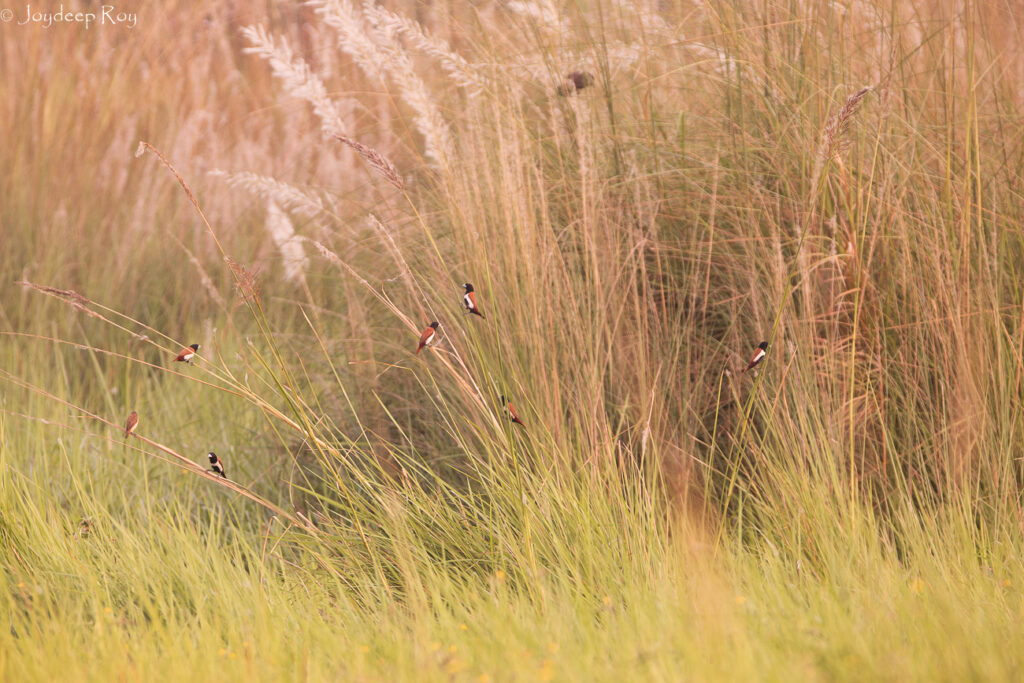
- Long Grassland: The image below shows the habitat with grassland which is favourite for several species including ZittingCisticola, Munias, Prinias, Baya Weavers etc.
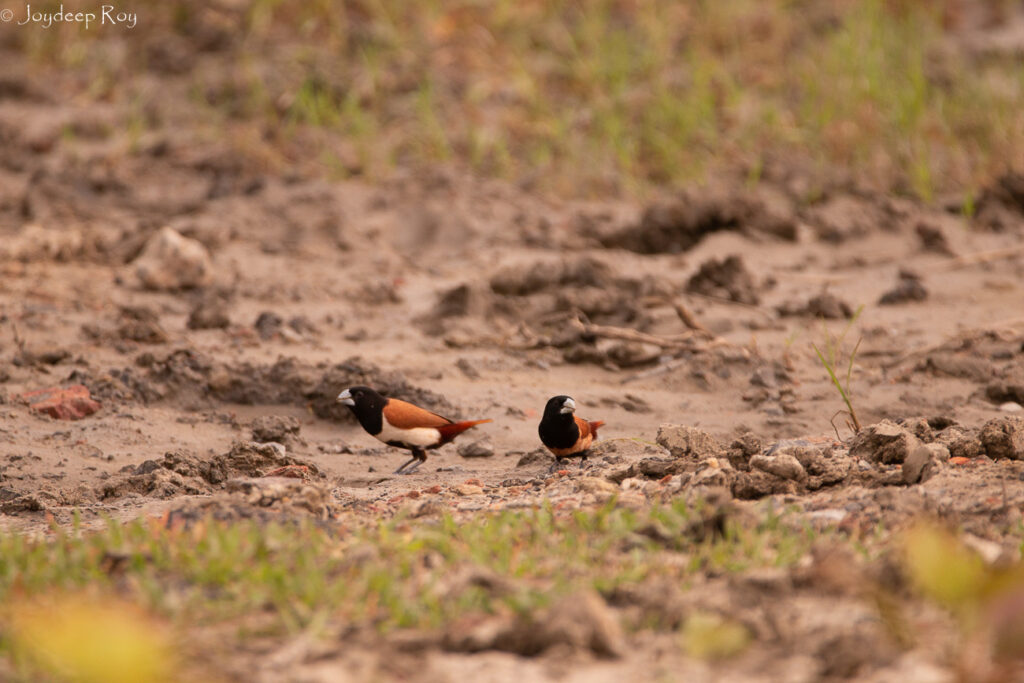
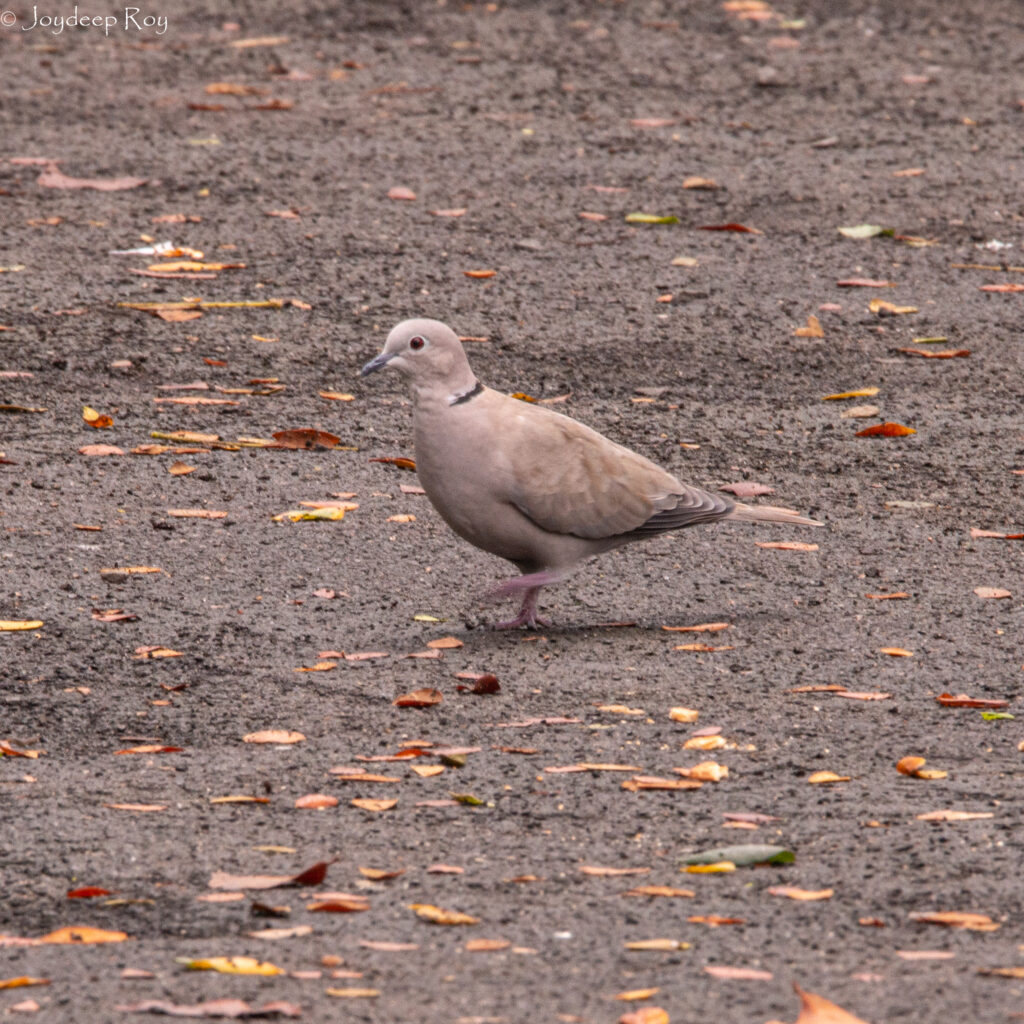
- Short grasslands/dry scrubs: These are good for Pipits, Doves, Bush larks, Sky larks, Munias etc.
- Wetlands and marshlands provide habitat for several Waterfowls, Grebes, Egrets, Storks, Herons, Wagtails, Kingfishers etc.
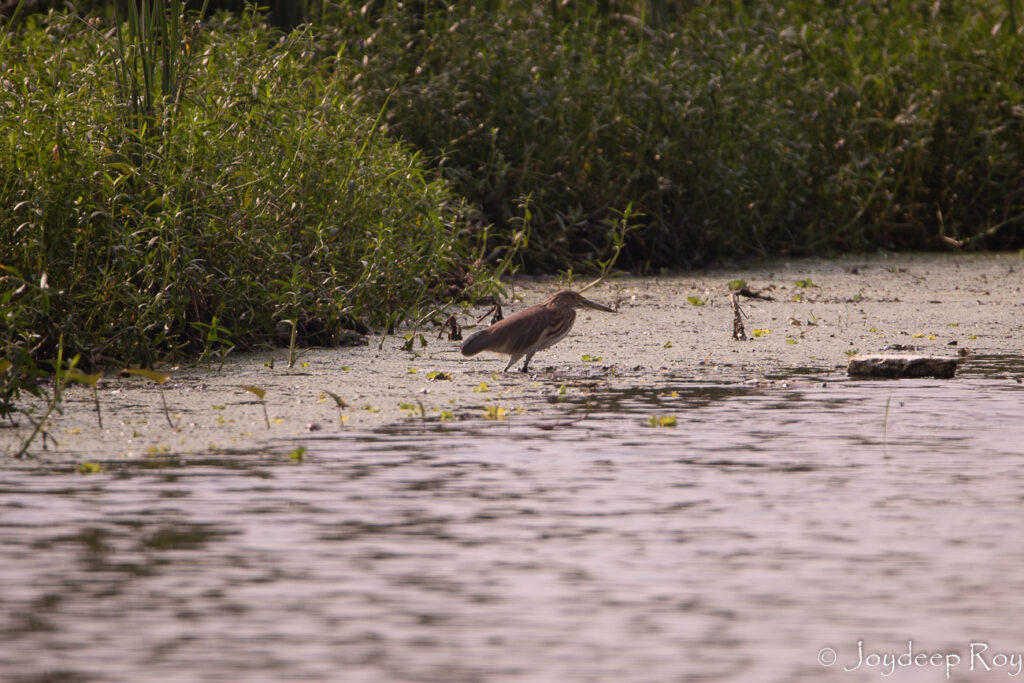
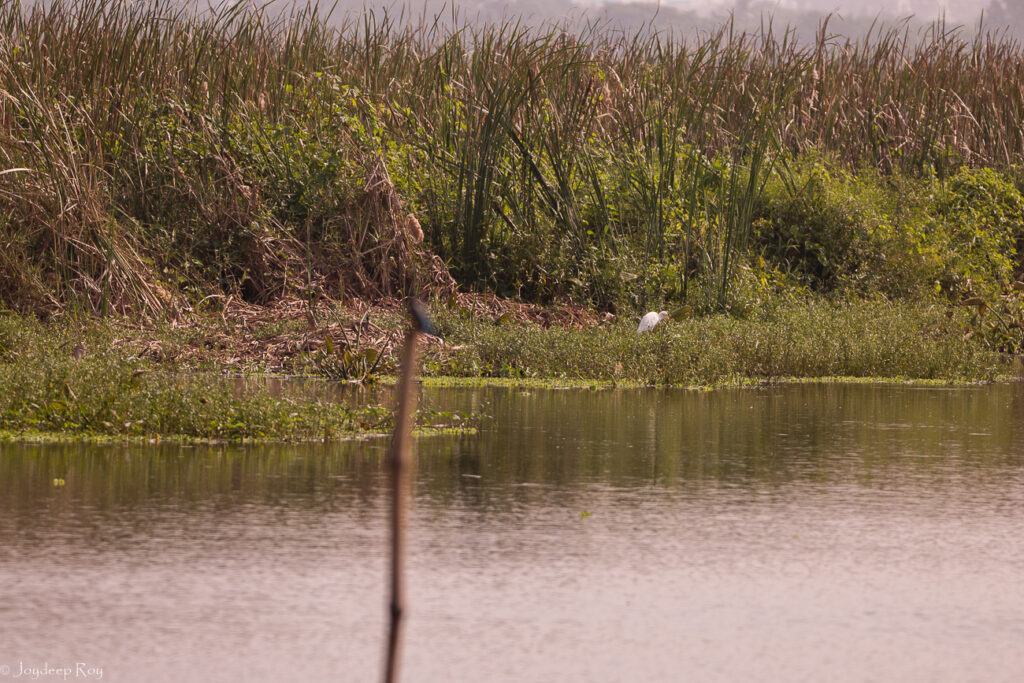
Wetland habitat in Rajarhat
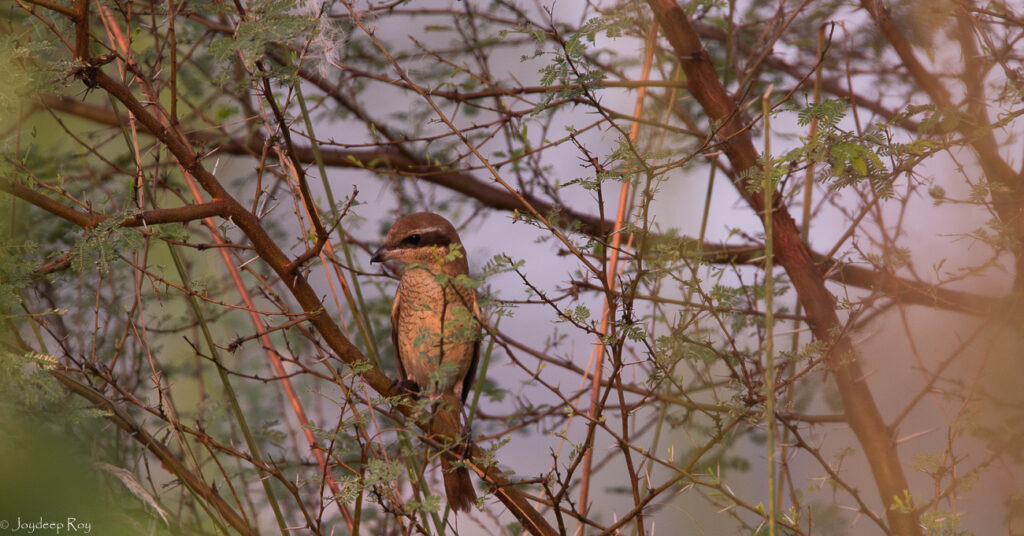
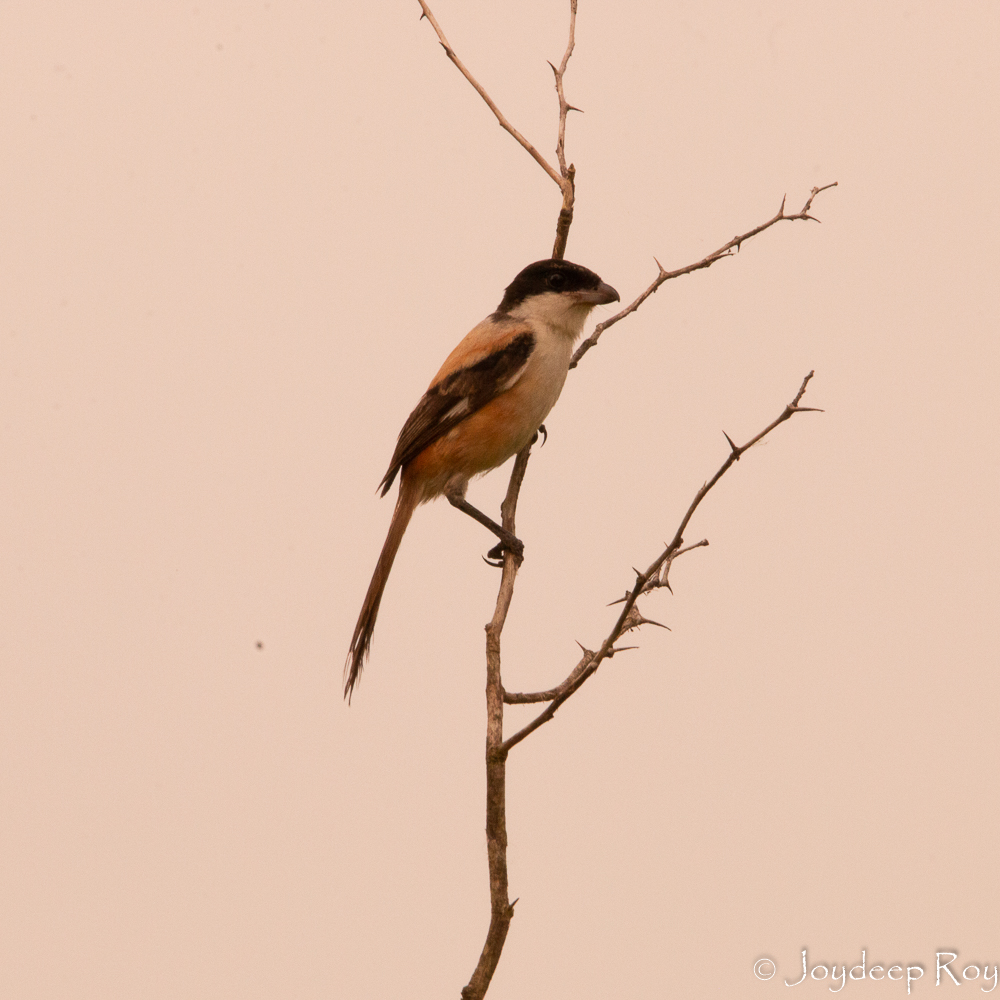
- Shrubby areas are favourite for Brown Shrike, Long-tailed Shrike, Flycatchers, Warblers, Cuckoos etc.
- Big trees are favourite for Woodpeckers, Owls etc.
My First Visit:
My first visit to the place on 09.09.2020 gave me first time sighting of 13 species. Those are
- Brown Shrike
- Long-tailed Shrike
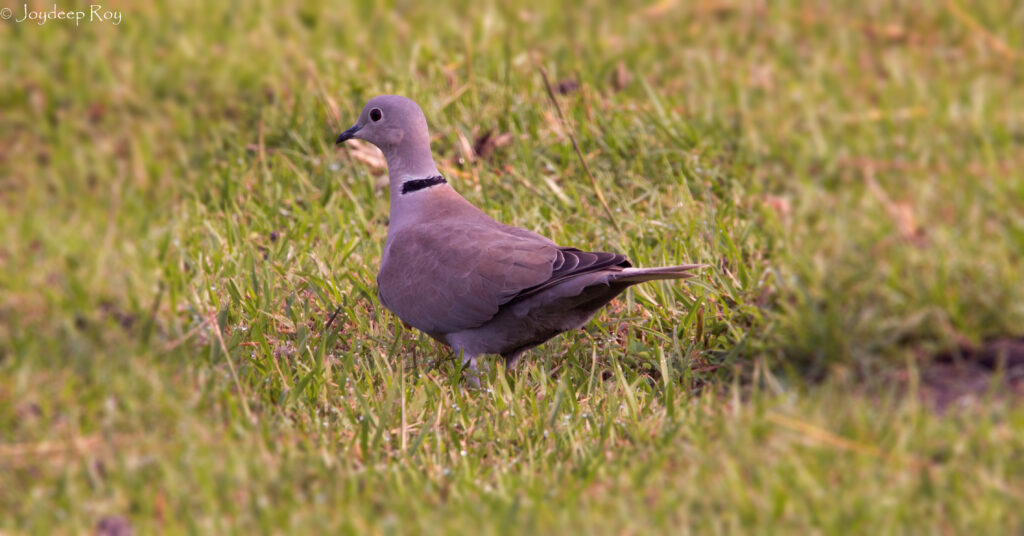
- Eurasian Collard Dove
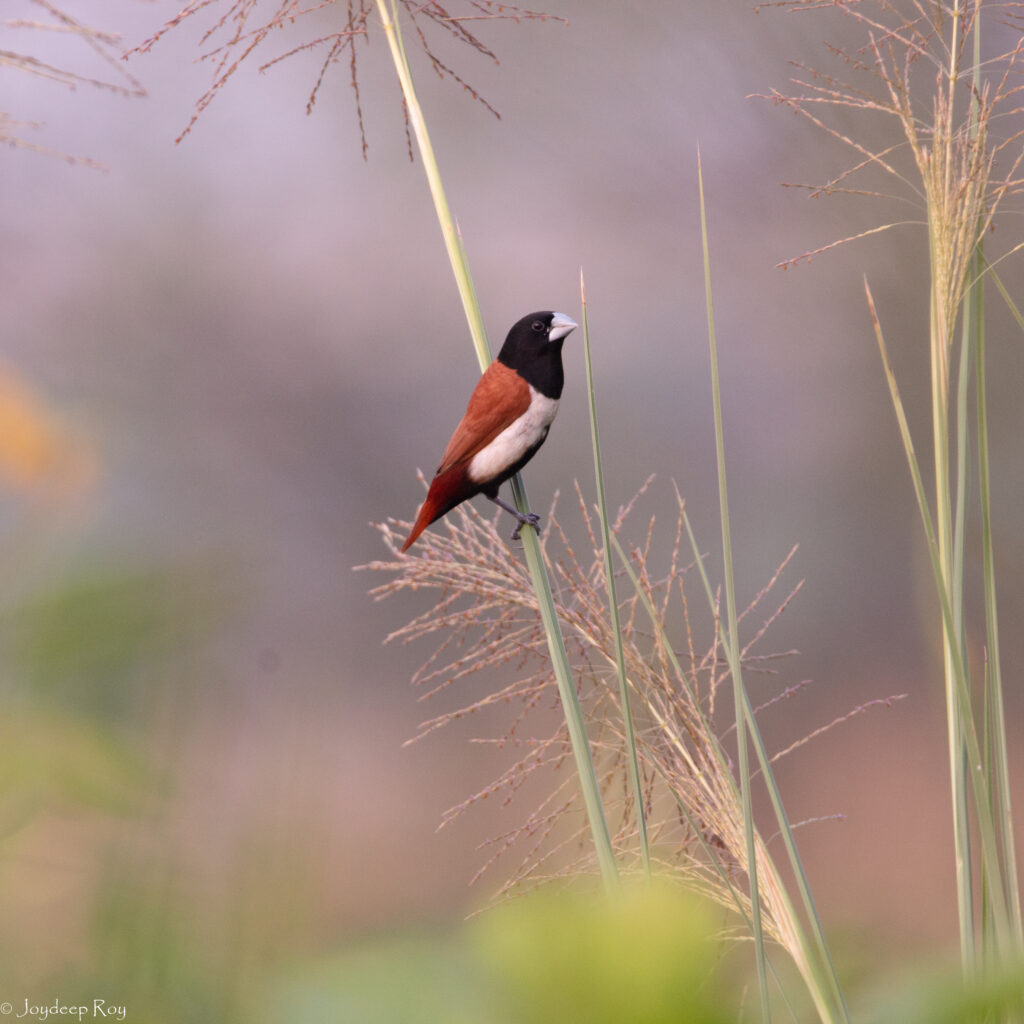
- Tri-colored Munia
- Scaly-breasted Munia
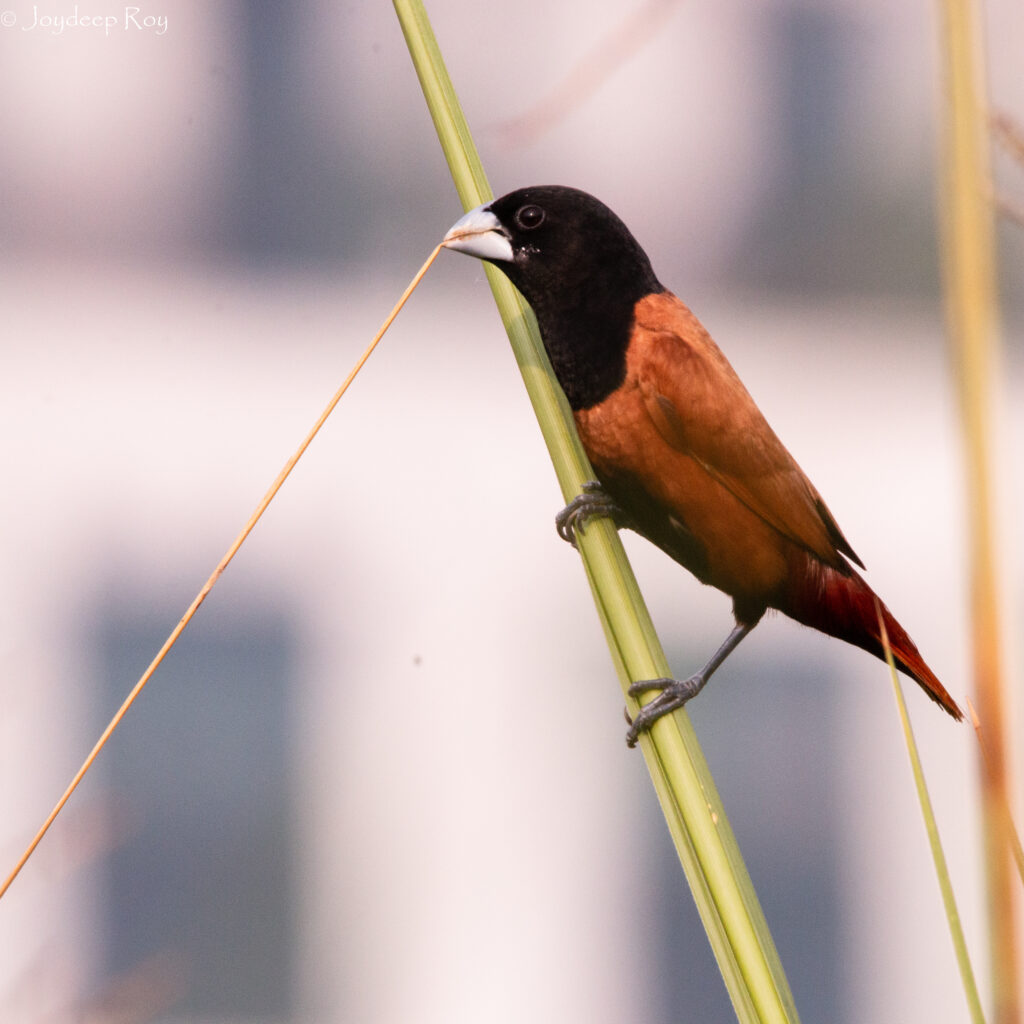
- Chestnut Munia
- Pied Cuckoo
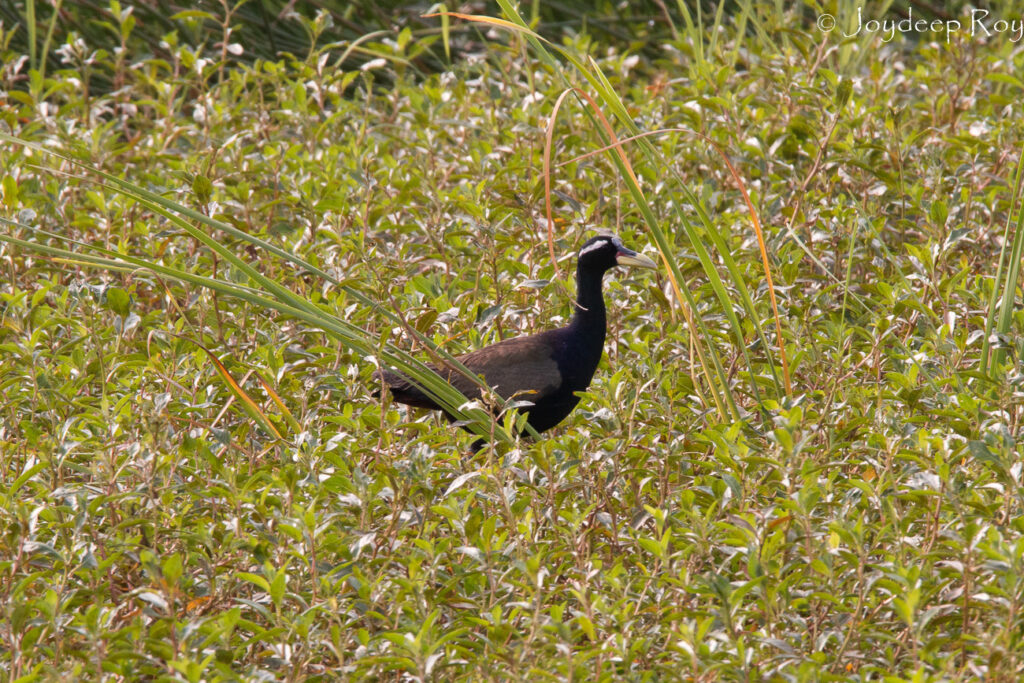
- Bronze-winged Jacana
- Bengal Bushlark
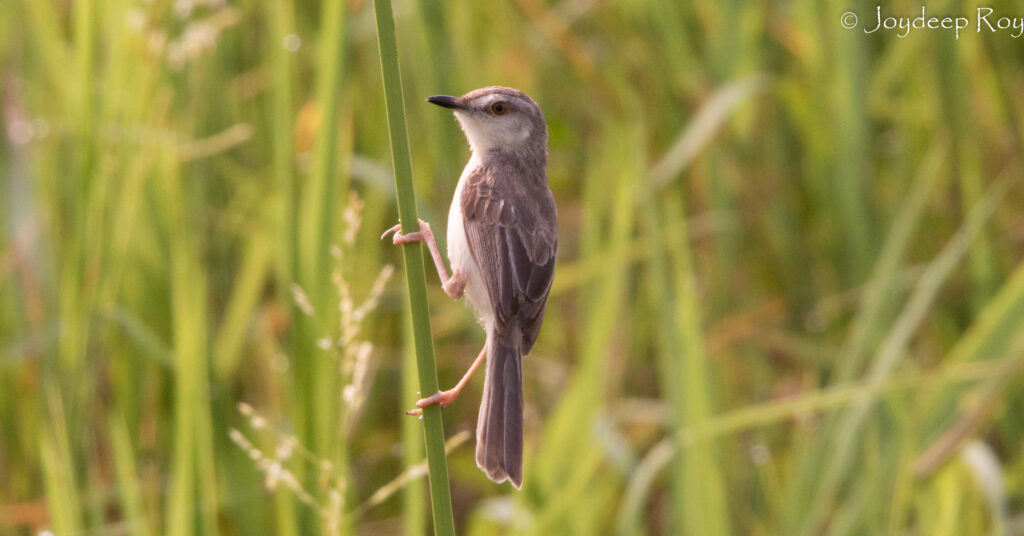
- Plain Prinia
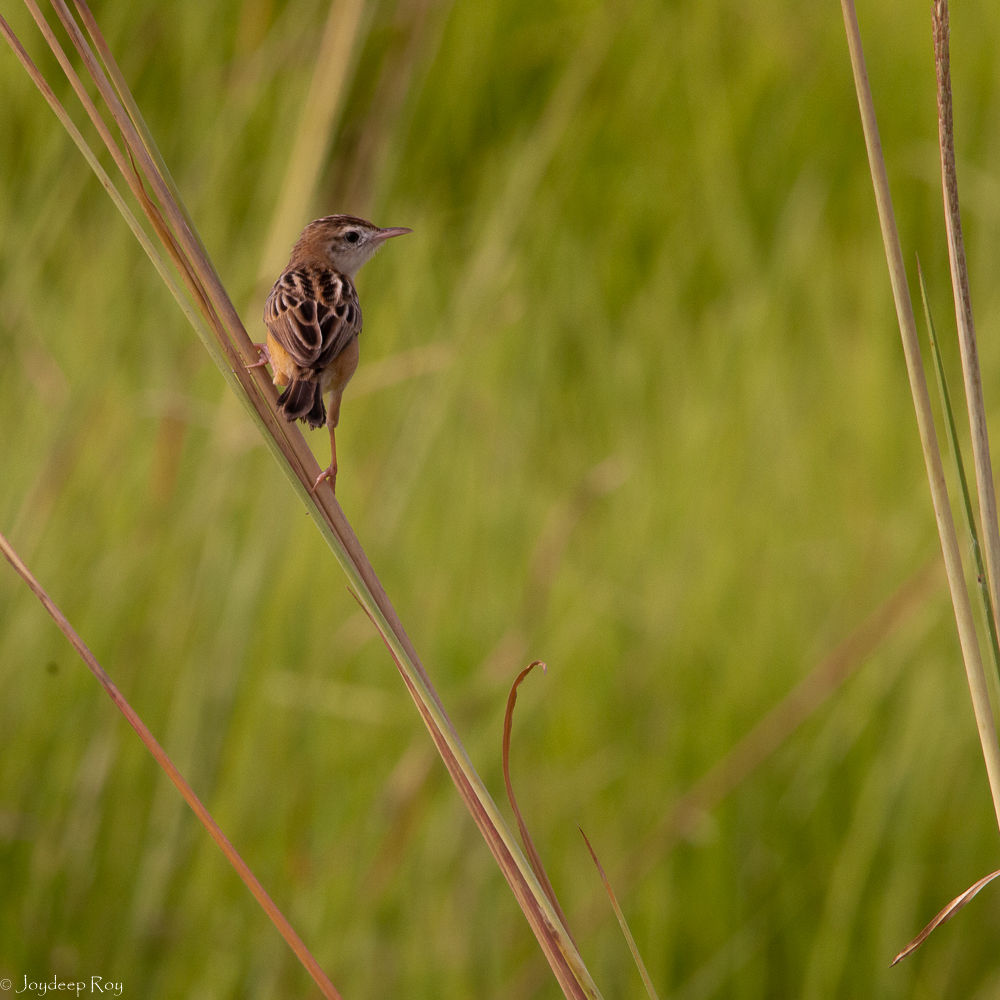
- Zitting Cisticola
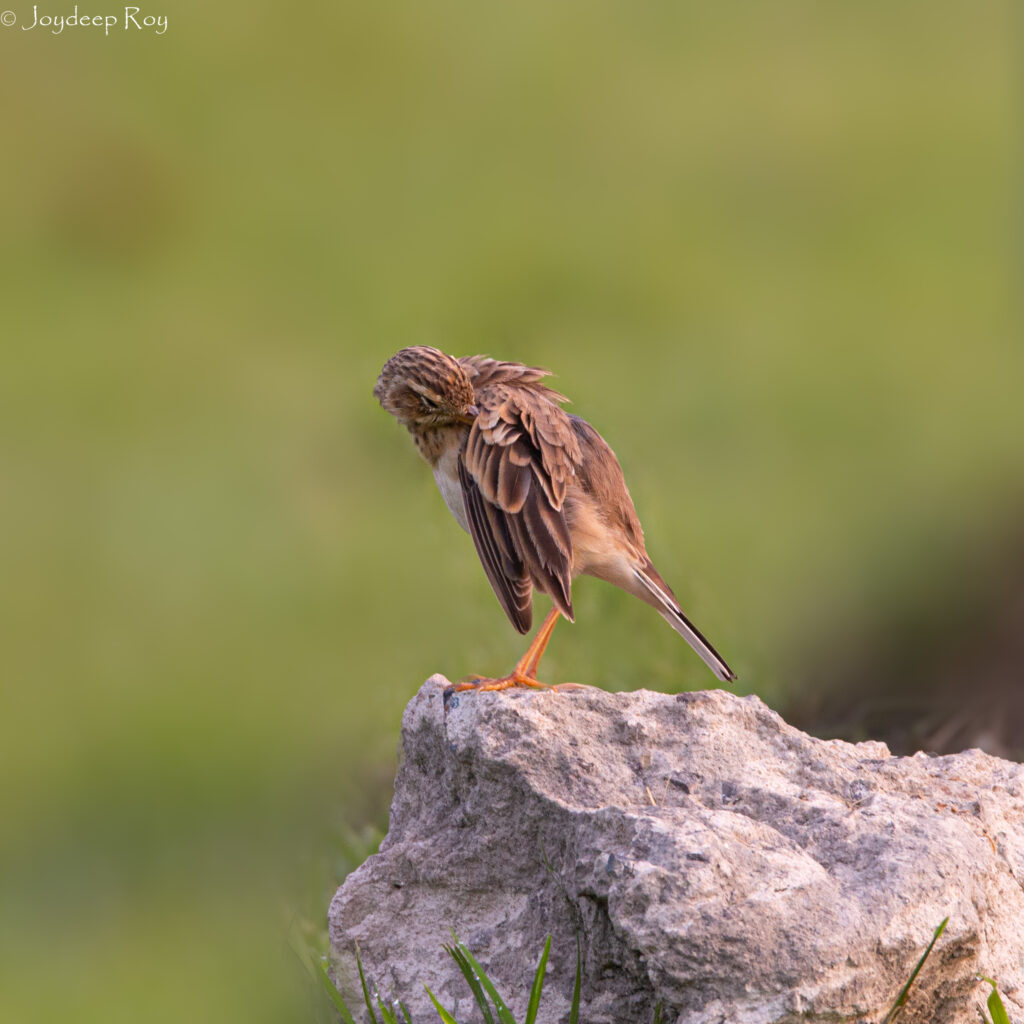
- Paddyfield Pipit and
- Pied Cuckoo
So, it became one of my favourite birding spots and on every visit afterwards, till date, it gave me at least one new species!
My Second Visit:
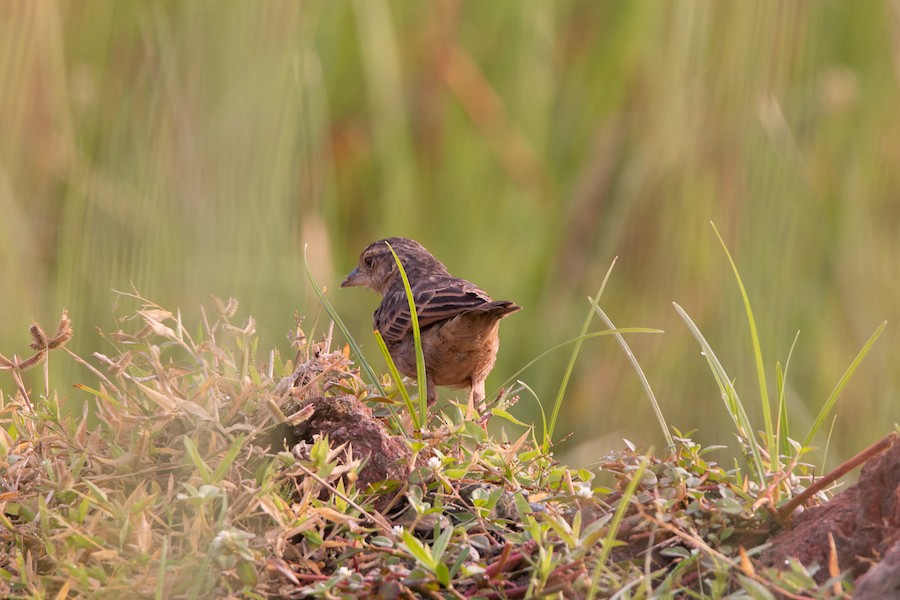
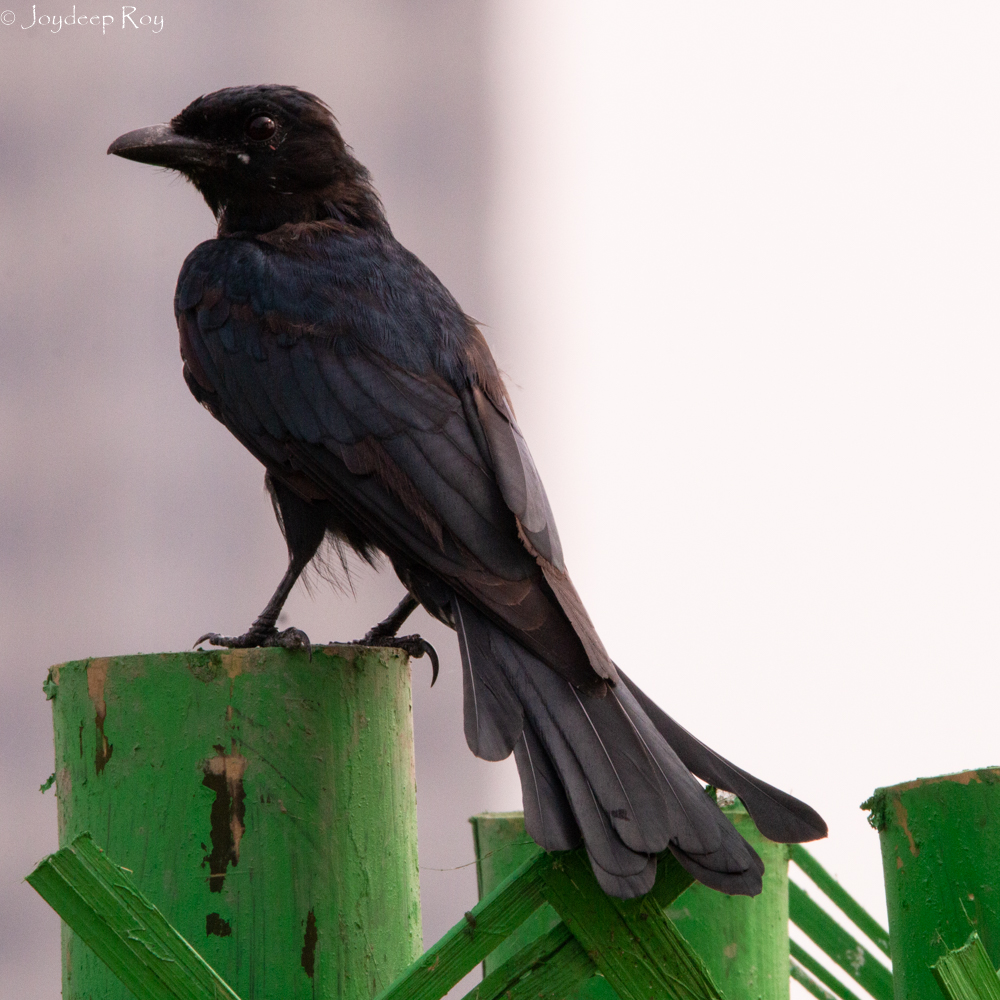
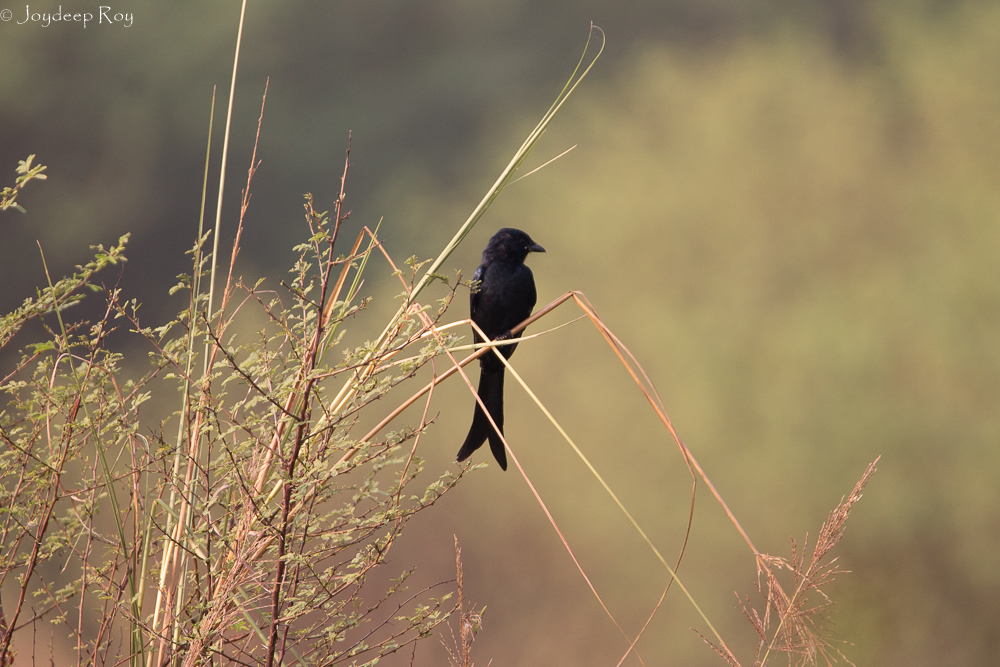
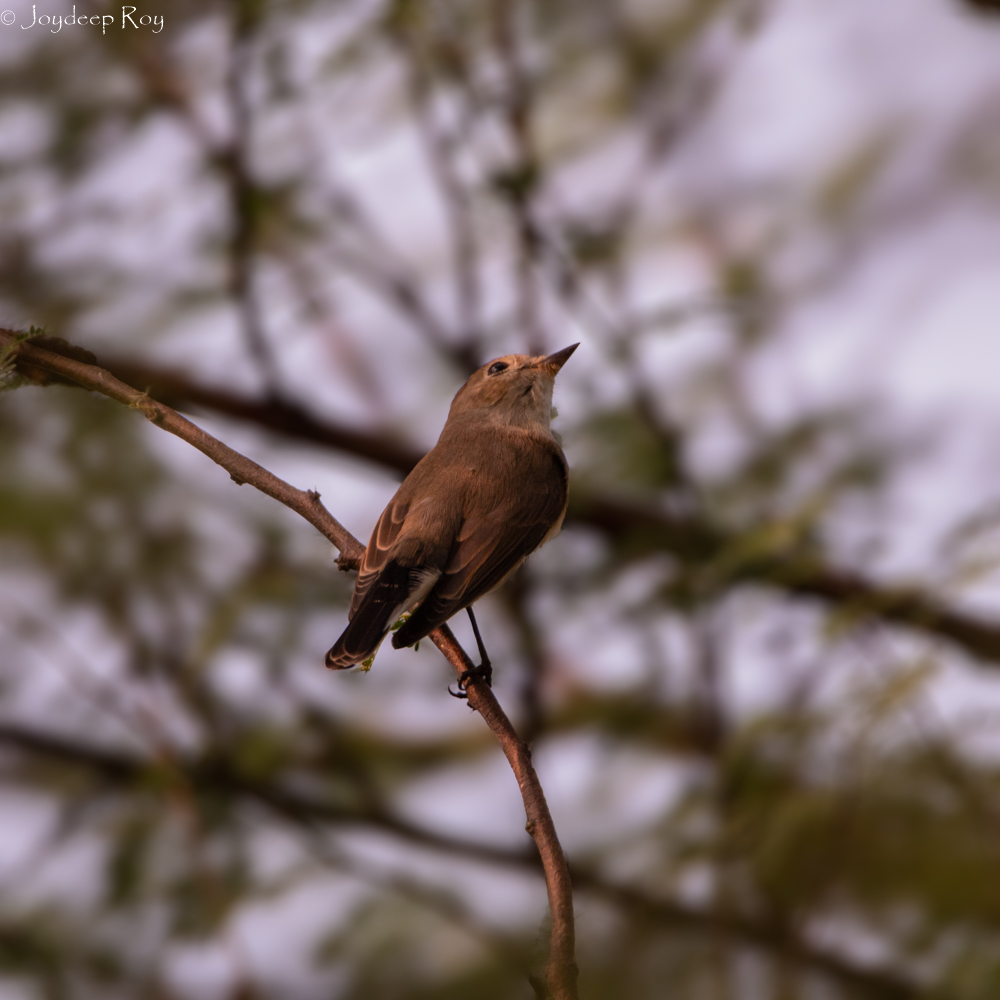
My second visit to the place on 20.10.2020 was also successful in terms of sighting new species, as I saw, for the first time, 4 new species. Those are:
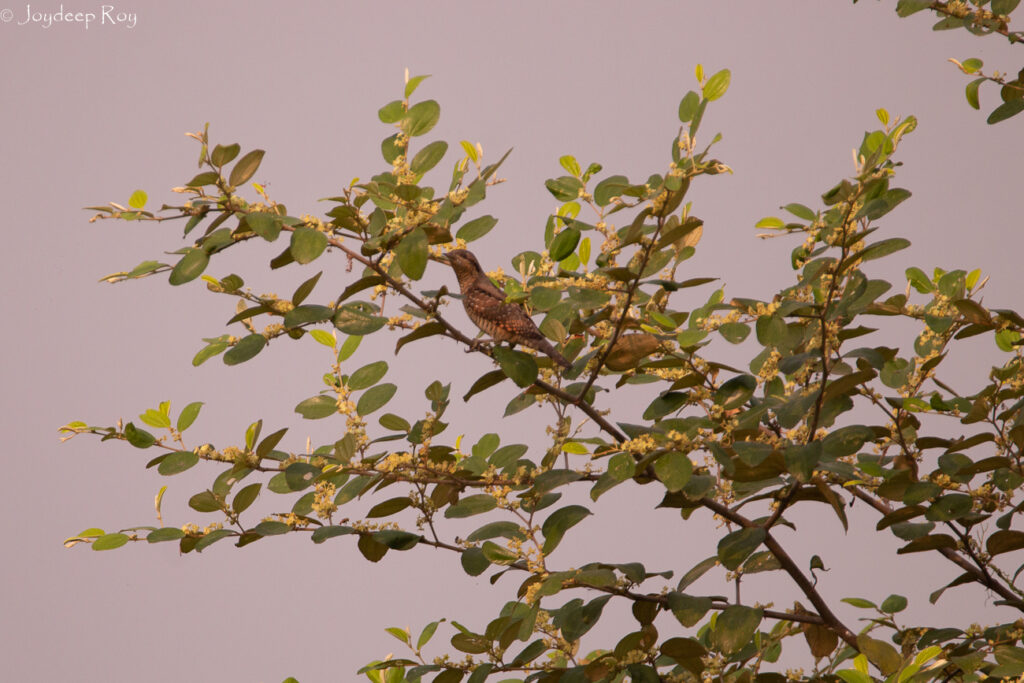
- Eurasian Wryneck
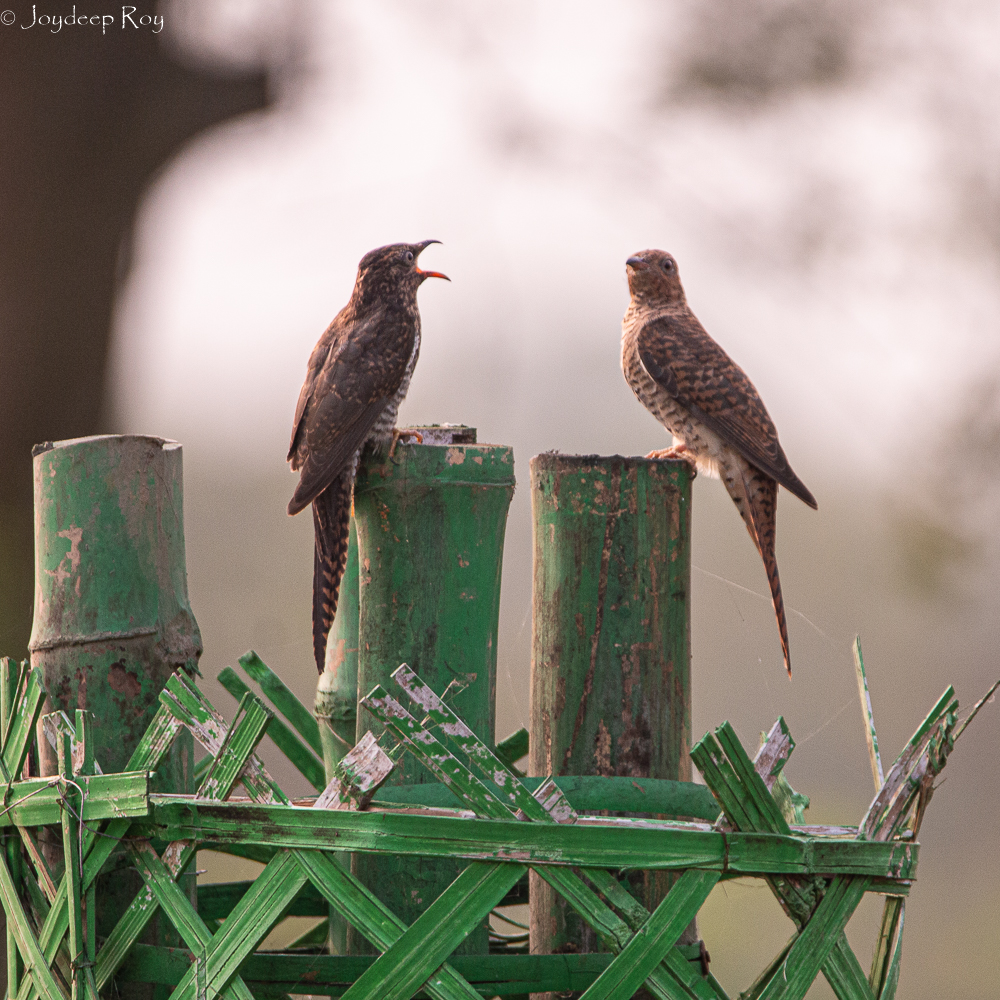
- Plaintive Cuckoo
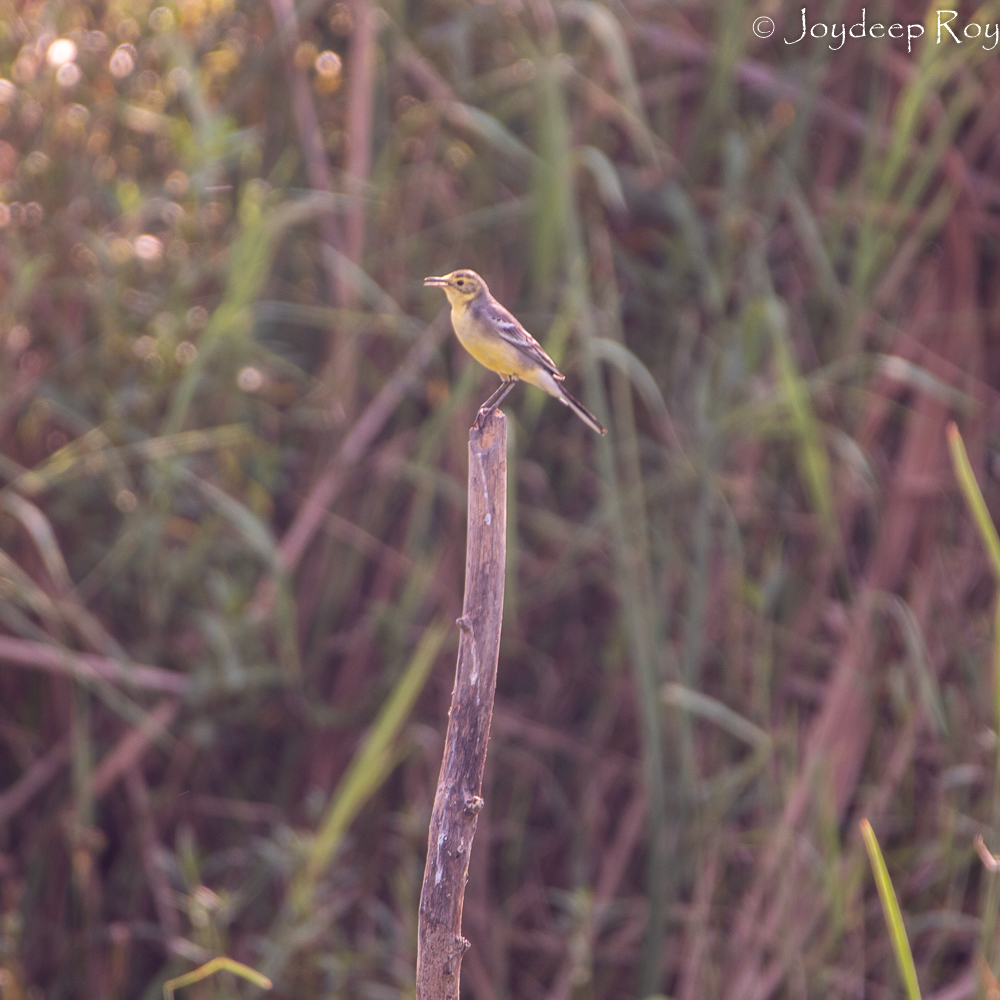
- Gray Wagtail and
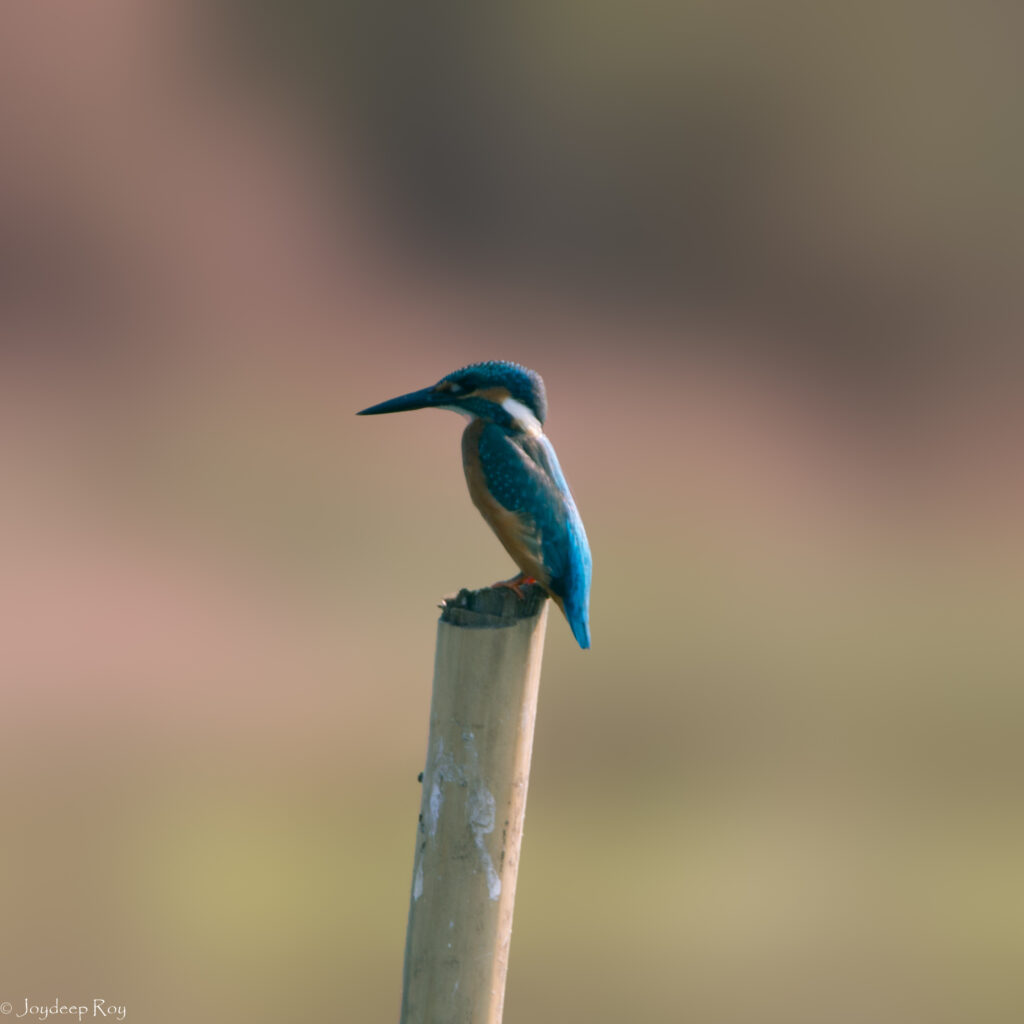
- Common Kingfisher