Common Tailorbird
Bengal Birds -6 (টুনটুনি)
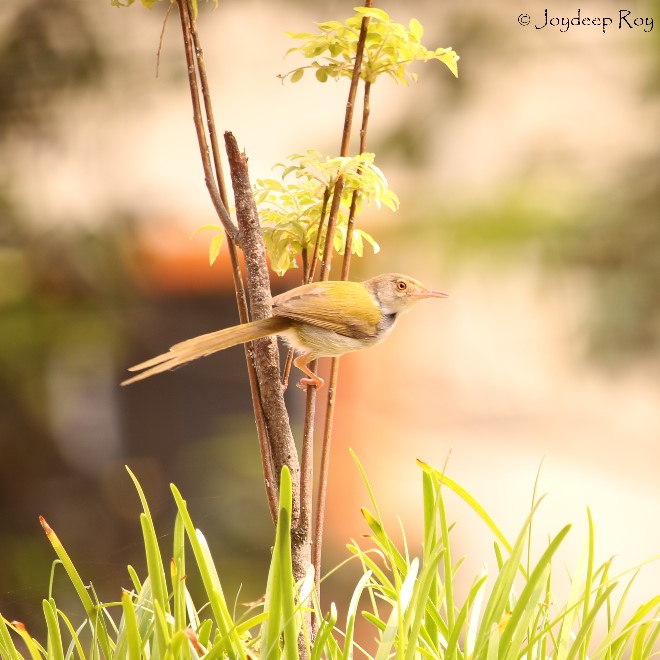
In our childhood probably all of us thought that common tailorbirds are the tiniest bird in the world! But as we grew up, that wrong perception went away, instead their specialties become more important. We all know that they are called tailor birds, but have you seen their work ? During this lockdown I’ve been fortunate enough to watch a tailor bird nest to build up and oh boy, that is really something called nature’s beauty!
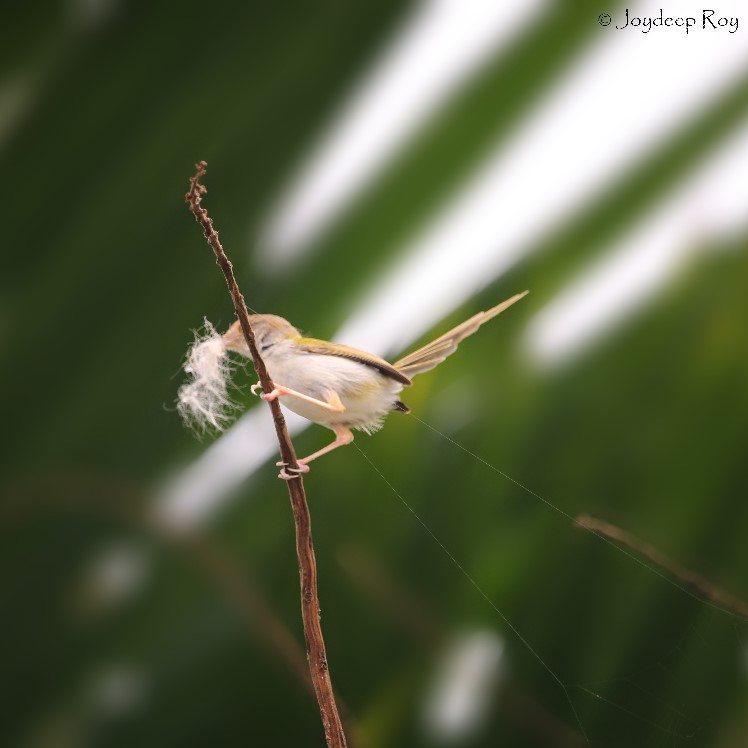
This Tuntuni was a resident in one of the fig shrub (it’s not become a tree yet!) that grew up carelessly in my backyard. You should see its nest to understand why it is called a Tailor-bird! If you are familiar with the common fig tree, then you must know that they have relatively larger leaves. The bird stitches the leaf’s two shorter ends to make a wonderful tent-like nest with a one way entry. And such these nests are by default rain-water preventive! Isn’t that a nature’s beauty? At least I felt so and I’m thankful to be a witness of this little bird’s work. What I mean is, I actually tracked him down while it was building up the nest. In this picture I caught him in the act of collecting building materials for the nest. Immediately after taking this shot from my rooftop, I just followed the bird which went straight down towards my backyard and Bingo! I could instantly locate the nest by noticing the leaf under which it kept that cotton kind of thing in its beak. A note of caution here, they are very sensitive about their privacy, they always wait and check for few seconds before entering into their nest. If they feel their privacy is being compromised they leave the place immediately. So, it is absolutely not recommended to go anywhere near any bird’s nest, at least not when they are around. But the most unfortunate fact is that, both the fig tree and the nest are gone during that devastating cyclone, Amphan. But fortunately the bird has survived, more fig shrubs have grown and while I write this the bird is again trying to rebuild its nest, I’ve seen that. Let’s hope that the shrubs and the tailor-bird chicks would grow together!
Bengali Name
টুনটুনি
Male – Female Distinction
Usually both sexes are similar, but in breeding plumage males have longer central tail feathers.
Residency Status
Resident of West Bengal.
General Behaviors that I’ve noticed
- Mainly feeds on small insects. therefore they prefer mango or jackfruit trees more where insects are easily available.
- Very restless, always jump around from one branch to another and make short flights to neighboring trees or bushes.
- Like bushy area to build their nests so that they don’t get noticed easily.
- Use cotton like soft materials to build the inside of their nests.
- Tails are usually held erect, but more prominently when they are calling.
- Both male and female share the responsibility of raising the offspring.
Places where I have found them
They are quite common through out the city, whether it’s an urban area, park, like Rabindra Sarobar or forested area like Chetla Forest.